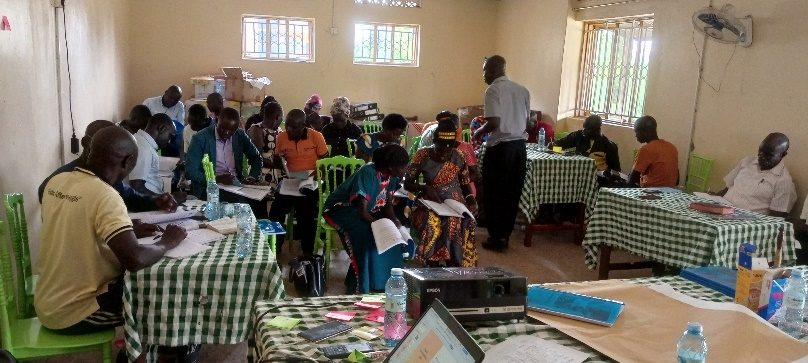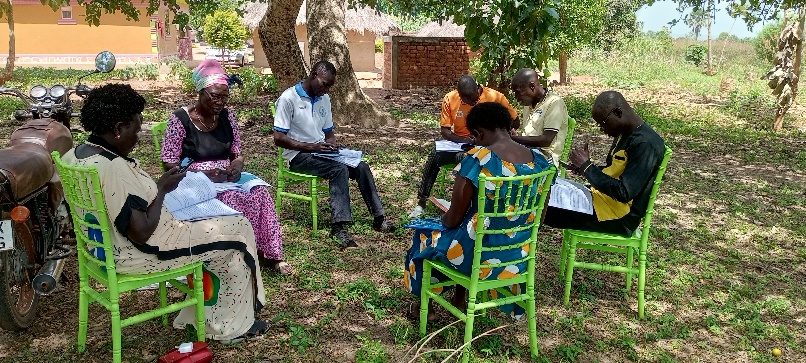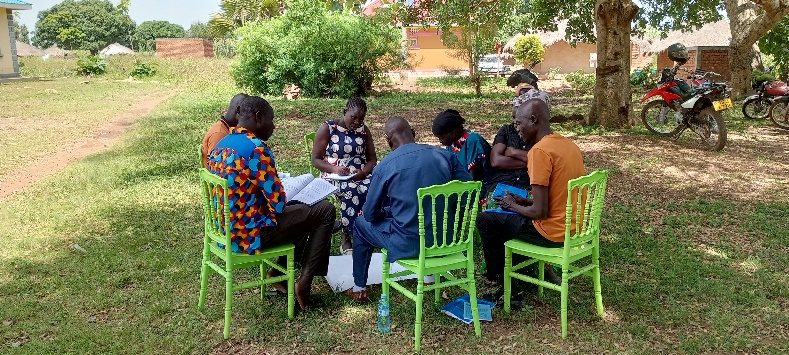

From 16th to 22nd November 2025, a Social Accountability Training was held for 30 facilitators drawn from Adjumani, Moyo, Obongi, Madi Okollo, Bidibidi and Yumbe. The training strengthened the capacity of church and community facilitators to promote transparency, participation and responsible governance in community development.
Why this training
Communities in West Nile face persistent challenges: limited citizen participation in planning, poor access to public information, weak monitoring of government projects and low accountability among duty bearers. The training focused on practical, participatory and peaceful approaches that facilitators can replicate in their communities.
Objective
To equip facilitators with practical knowledge and skills to promote social accountability and improve service delivery through effective use of social accountability tools. Specifically, to:
- Strengthen understanding of social accountability concepts and principles
- Build capacity in applying six key social accountability tools
- Promote participatory planning and budget monitoring at community level
- Empower communities to peacefully engage leaders and service providers
- Enhance transparency and responsible use of public resources
How it was delivered
Adult-learning methods: group discussions, practical exercises and simulations, case studies from West Nile districts, role plays and interface-meeting simulations, and field-based examples.
The six social accountability tools
- Participatory Planning – communities identify and prioritise needs and link them to sub-county and district plans, with women, youth, elders and vulnerable groups included.
- Budget Tracking – following public funds from allocation to expenditure. Participants analysed sample district and sub-county budgets to spot inconsistencies and red flags.
- Citizen Journalism – documenting and sharing service-delivery issues accurately and ethically using phones, photos and written reports.
- Community Score Card – communities score public services, providers self-assess, and both meet to agree a joint action plan. Participants simulated a score card using a local health facility example.
- Public Expenditure Survey – comparing funds received with funds spent and the inputs actually available, such as drugs, textbooks and equipment.
- Social Audit – reviewing projects with the community: budgets and contracts, timelines, quality of work and beneficiary targeting.
Who took part
Church leaders, community mobilisers, youth leaders, women leaders and local development facilitators from Adjumani, Moyo, Obongi, Madi Okollo, Bidibidi and Yumbe.
Key achievements
- Better understanding of the six social accountability tools
- Greater facilitator confidence in engaging duty bearers
- Stronger regional networking among facilitators
- Increased commitment to peaceful, evidence-based accountability
Challenges
Limited access to public information in some districts, fear among communities of questioning leaders, low literacy levels, and language barriers in refugee-hosting areas.
Recommendations
- Continuous mentorship and coaching for trained facilitators
- Translation of the tools into local languages
- Stronger collaboration with district and sub-county leaders
- Regular follow-up meetings to track how the tools are applied
- Integration of social accountability into church and community programmes